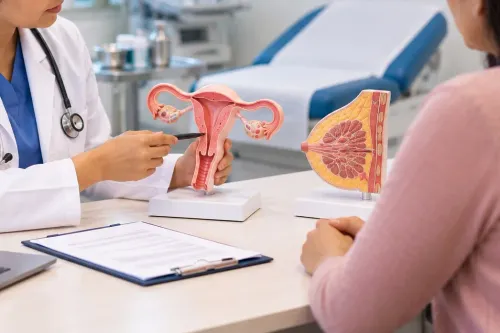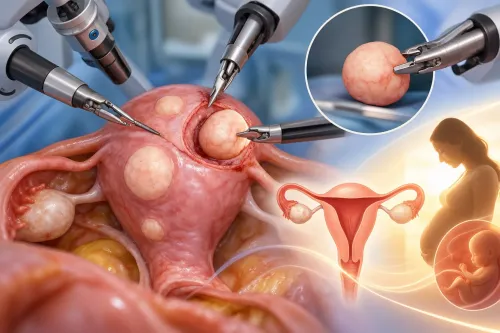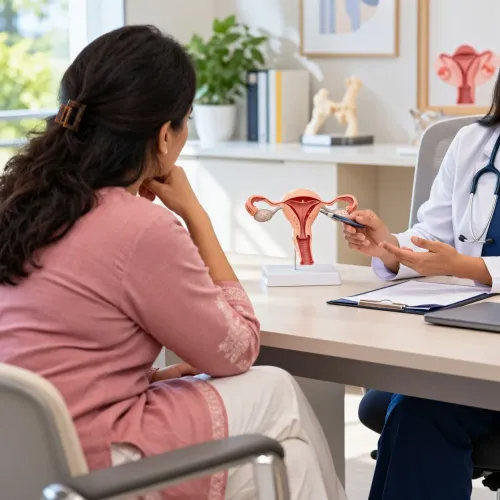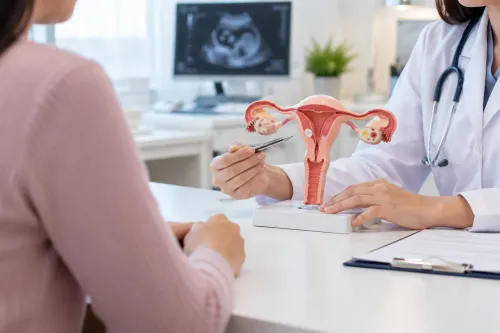
Choosing surgery for a fertility problem depends on the organ involved, the cause of infertility and the value of preserving ovarian and tubal function. By comparing hysteroscopy, laparoscopy and robotic surgery, then reviewing the required tests and trade-offs, you can identify which options deserve discussion and which may delay more suitable treatment such as IVF.
Key takeaways
- Laparoscopy treats pelvic disease; hysteroscopy treats problems inside the uterine cavity.
- AMH, antral follicle count, semen analysis and tubal testing guide surgical decisions.
- Surgery can preserve fertility without guaranteeing natural conception or avoiding IVF.
- Ask about ovarian reserve, tubal function, recovery time and the surgeon’s fertility goals.
What fertility-preserving endoscopic surgery includes
Fertility-preserving surgery corrects a structural or pelvic problem while retaining the uterus and, where possible, useful ovarian and tubal tissue. Fertility-preserving endoscopic surgery in Bangalore is not one operation; the route depends on where the suspected problem lies.
1. Hysteroscopy passes a camera through the vagina and cervix into the uterine cavity. It suits endometrial polyps, submucosal fibroids, intrauterine adhesions and selected uterine septa. It cannot inspect the uterus’s outer surface, fallopian tubes or ovaries.
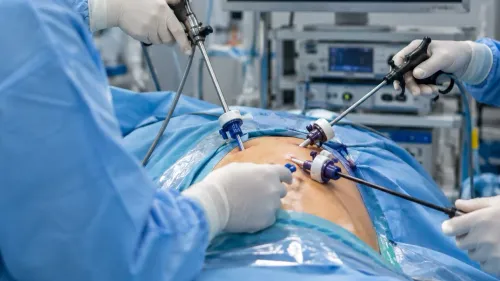
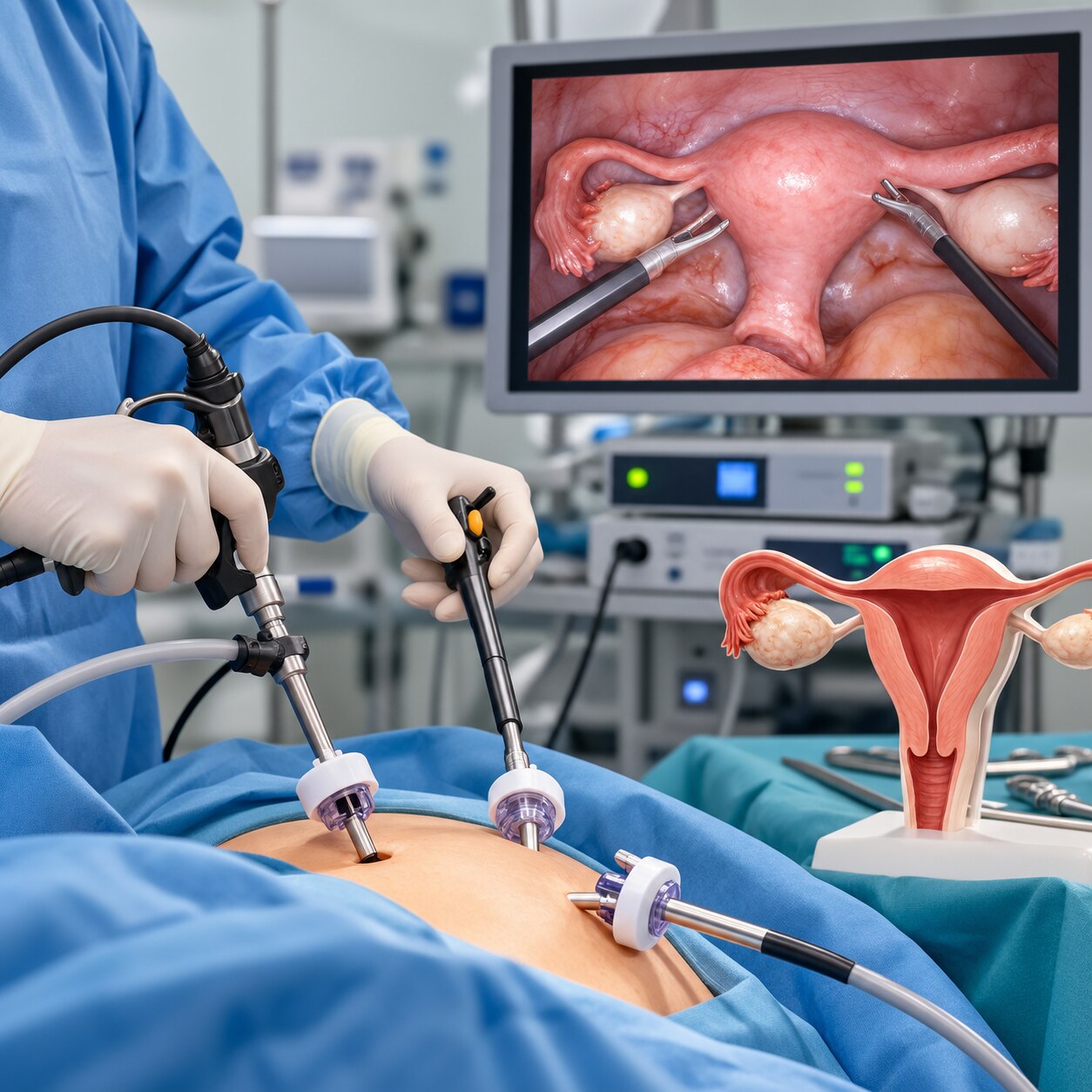
2. Diagnostic laparoscopy uses a camera through small abdominal incisions to inspect the pelvis. It can reveal endometriosis, adhesions, tubal abnormalities and some ovarian or uterine disease. During chromopertubation, dye is passed through the cervix to show whether it travels through the tubes, although an open tube can still function poorly.
3. Operative laparoscopy treats findings through the same abdominal access. Depending on the diagnosis, it can remove endometriosis, divide adhesions, treat selected cysts or repair pelvic disease.
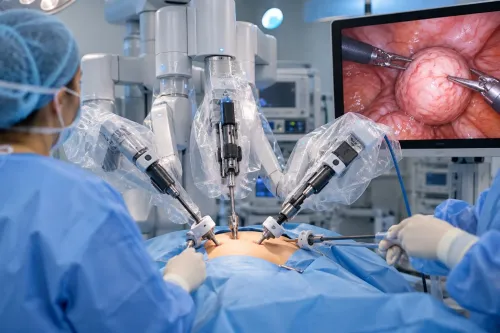
4. Robotic surgery is computer-assisted laparoscopy using articulated instruments and magnified three-dimensional vision. It is a surgical platform, not a separate fertility diagnosis.
Endoscopic gynecological surgery in Bangalore can remove an obstacle, but it cannot reverse age-related decline in egg number or egg quality. It cannot guarantee pregnancy, and preserving an organ does not always preserve normal function.
Which procedure treats which fertility problem
The right operation depends on the organ affected, the damage present and the fertility goal. Fertility preserving surgery in Bangalore may involve hysteroscopy through the cervix, or minimally invasive fertility surgery using laparoscopy or robotic instruments through abdominal incisions.
| Procedure | Fertility problem addressed | Key fertility consideration |
|---|---|---|
| Hysteroscopic polyp removal | Endometrial polyp causing abnormal bleeding or implantation-related cavity change | Removes the lesion without abdominal incisions |
| Hysteroscopic fibroid resection | Cavity-distorting submucosal fibroid | Treats the uterine cavity; suitability depends on fibroid size and depth |
| Laparoscopic or robotic myomectomy | Selected intramural or subserosal fibroids | Retains the uterus; benefit depends on size, number and cavity distortion |
| Laparoscopic cystectomy | Symptomatic or suspicious ovarian cyst | Endometrioma surgery can remove or damage healthy ovarian tissue and reduce ovarian reserve |
| Laparoscopic adhesiolysis | Scar tissue from infection, endometriosis or previous operations | May restore pelvic movement, but adhesions can recur |
| Endometriosis excision or ablation | Visible endometriosis and pain | Limit surgery according to ovarian reserve and bowel, bladder or ureter involvement |
| Tubal repair | Selected mild tubal blockage | Severe damage, bilateral disease or prior ectopic pregnancy can make repair unsafe |
| Salpingectomy or tubal occlusion | Hydrosalpinx before IVF | Removing or blocking a badly damaged tube can improve IVF access |
Preserving a tube is not always the safest fertility strategy. After ectopic pregnancy, salpingostomy leaves the tube but requires follow-up for persistent trophoblastic tissue; salpingectomy is often preferable when the opposite tube is healthy or the affected tube is severely damaged.
Tests that determine whether surgery fits
The choice between observation, timed conception, surgery and IVF starts with your age, how long you have tried to conceive, symptoms, previous pelvic operations and pregnancy history. A fertility specialist also reviews ovulation, tubal history and the likely time available for conception.
1. Transvaginal ultrasound looks for ovarian-reserve clues, cysts, fibroids and endometriomas. Saline infusion sonography outlines the uterine cavity when a polyp or submucosal fibroid is suspected; without it, a cavity lesion can be missed or poorly defined.
2. Hysterosalpingography (HSG) checks whether contrast passes through each fallopian tube and can suggest an abnormal uterine contour. A blocked tube changes the value of surgery, timed conception and IVF.
3. Pelvic MRI maps large or multiple fibroids and deep endometriosis, especially when ultrasound cannot show their full extent or relationship to the bowel, bladder or ureters.
4. AMH and antral follicle count estimate ovarian reserve before ovarian surgery. They do not measure egg quality or guarantee pregnancy, so a low result can make endometrioma surgery less attractive.
5. Semen analysis belongs in the same assessment. A male-factor diagnosis can make pelvic surgery unnecessary or shift treatment towards IVF.
Routine diagnostic laparoscopy is not required for every infertility evaluation. It becomes more relevant when symptoms or imaging suggest endometriosis, adhesions, tubal disease or another pelvic abnormality, or when less-invasive tests have not explained the problem.
This evaluation helps a fertility surgery specialist in Bangalore recommend fertility preserving endoscopic surgery in Bangalore only when its likely benefit outweighs its risks.
Natural conception, IVF access and the fertility trade-offs
Removing a uterine polyp or cavity-distorting submucosal fibroid can improve the implantation environment without removing the uterus. Adhesion repair or selected tubal surgery can reopen a route for natural conception, but an open tube may still function poorly and ectopic-pregnancy risk can remain.
| Option | Potential fertility benefit | Important trade-off |
|---|---|---|
| Hysteroscopic removal | Clears a polyp or submucosal fibroid from the cavity | Does not treat outer pelvic disease |
| Adhesiolysis or tubal repair | May restore passage for natural conception | Adhesions can recur; tubal function may remain abnormal |
| Hydrosalpinx removal or occlusion | Can improve IVF access and outcomes | Usually does not increase natural conception |
| Salpingostomy | Preserves the tube after tubal ectopic pregnancy | Requires follow-up for persistent trophoblastic tissue |
| Salpingectomy | Removes a severely damaged tube; often suits a healthy opposite tube | Eliminates that tube’s route for conception |
| Endometriosis surgery | May relieve pain and support conception | Endometrioma surgery can lower AMH and ovarian reserve |
| Myomectomy | Retains the uterus while removing selected fibroids | Bleeding, adhesions and uterine-scar implications |
| Deep endometriosis surgery | Treats disease affecting organs | Bowel, bladder or ureter injury remains possible |
Fertility preserving surgery in Bangalore, including minimally invasive fertility surgery, must be weighed against expectant management, ovulation treatment and IVF. Age, time available, ovarian reserve, semen analysis, ovulation, tubal status, symptoms and previous operations change the preferred route.
Smaller incisions do not make surgery risk-free: bleeding, infection, organ injury, adhesions, conversion to open surgery and loss of ovarian or tubal function remain possible. The best choice may be no operation, or IVF first, when ovarian reserve is low, semen factors are significant or time matters.
How to choose a fertility-focused surgical consultation in Bangalore
Choose a fertility-focused surgical consultation by demanding a diagnosis and decision plan, not a procedure quote. Ask the surgeon to identify the operation’s route, target organ, finding that justifies it, and intended outcome: natural conception, uterine access for embryo transfer, pain control or safer IVF.
| Option | Target | Typical purpose |
|---|---|---|
| Hysteroscopic | Uterine cavity | Remove a polyp or cavity-distorting fibroid |
| Laparoscopic | Tubes, ovaries, uterus or pelvis | Treat endometriosis, adhesions, cysts or tubal disease |
| Robotic | Uterus or complex pelvic disease | Perform selected laparoscopic procedures with computer-assisted instruments |
Use this checklist during the appointment:
- Request a review of the ultrasound, saline infusion sonography, HSG or MRI. Do not accept surgery based on a scan label alone.
- Ask how the surgeon will protect ovarian tissue, whether chromopertubation or fertility-preserving reconstruction is planned, and what could require conversion to open surgery.
- Ask how many weeks recovery could postpone trying to conceive or starting IVF.
- Confirm AMH and antral follicle count before ovarian surgery, plus semen analysis when relevant.
- If salpingostomy is proposed, ask about follow-up for persistent trophoblastic tissue and the plan for checking recovery.
Endoscopic gynecological surgery in Bangalore still carries risks such as bleeding, adhesions, organ injury and loss of ovarian or tubal function. A consultation with Dr Rajani Vaidya can bring gynaecological and laparoscopic expertise into one fertility-focused decision, including alternatives, timing and when IVF should come first.
Choose a fertility surgery specialist in Bangalore who can also explain when not operating is safer.
Related services
Fertility-Enhancing Endoscopic Surgery Fertility-Enhancing Endoscopic Surgery For couples facing the challenges of infertility, advanced medical techniques now offer renewed hope. View service → |
Advanced Laparoscopic Surgeries Advanced Laparoscopic Surgeries Expert Minimally Invasive Surgical Care by Dr. Rajani Vaidya When it comes to surgical solutions for gynaecological conditions, patients today seek... View service → |
Frequently asked questions
What does fertility-preserving endoscopic surgery include?
It includes laparoscopy through small abdominal incisions and hysteroscopy through the vagina and cervix. The aim is to treat disease while retaining the uterus and protecting useful ovarian and tubal tissue.
Which procedures treat different fertility problems?
Laparoscopic surgery can treat endometriosis, adhesions, selected ovarian cysts, hydrosalpinx and some fibroids. Hysteroscopy can remove endometrial polyps, submucosal fibroids, uterine septa and adhesions inside the uterine cavity.
Which tests determine whether fertility-preserving surgery fits?
Assessment can include pelvic ultrasound, ovarian-reserve tests such as AMH and antral follicle count, tubal testing, semen analysis and, when indicated, hysteroscopy or diagnostic laparoscopy.
Can you conceive naturally after fertility-preserving surgery?
Natural conception depends on age, ovarian reserve, ovulation, sperm quality, tubal function and the condition treated. IVF may provide better access to conception when tubes are blocked, ovarian reserve is reduced or other factors remain.
How should you choose a fertility-focused surgical consultation in Bangalore?
Choose a consultation that reviews your fertility timeline, imaging and ovarian reserve, explains alternatives, discusses the effect on natural conception and IVF, and provides clear recovery and follow-up plans.
Related services
Infertility Evaluation and Management Infertility Evaluation and Management Infertility affects millions of couples worldwide, yet it remains one of the most emotionally and medically challenging journeys. View service → |
Laparoscopic Myomectomy Dr. Rajani Vaidya, an experienced Gynaecologist and Laparoscopic Surgeon, specializes in performing laparoscopic myomectomy, a minimally invasive... View service → |
Laparoscopic Hysterectomy Dr. Rajani Vaidya, a leading Gynaecologist and Laparoscopic Surgeon, offers expertise in performing laparoscopic hysterectomy, a minimally invasive... View service → |
Keywords