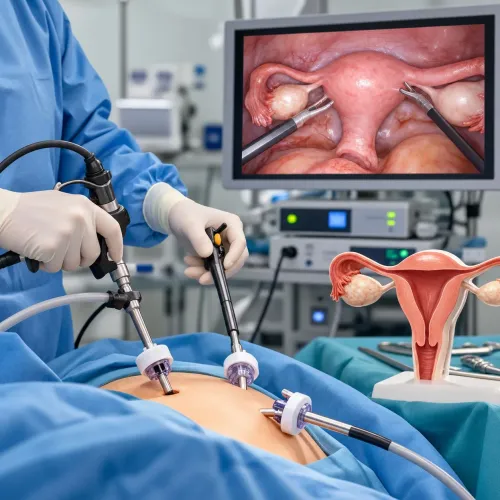
Gynecological laparoscopy allows a surgeon to examine or treat conditions inside the abdomen and pelvis through small incisions. A thin camera called a laparoscope provides a magnified view of the reproductive organs, while additional instruments may be used to perform the planned procedure.
Although laparoscopy is commonly called keyhole surgery, it is still an operation requiring anaesthesia, preparation and adequate recovery.
When Is Gynecological Laparoscopy Used?
A gynaecologist may recommend laparoscopy to evaluate or treat:
- Ovarian cysts
- Endometriosis
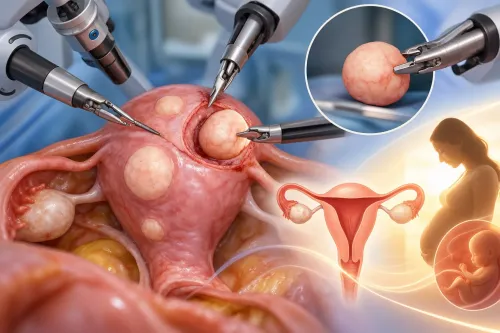
- Selected uterine fibroids
- Ectopic pregnancy
- Pelvic adhesions
- Certain causes of pelvic pain
- Tubal conditions
- Selected infertility-related problems
- Conditions requiring hysterectomy
Laparoscopy is not automatically necessary for every episode of pelvic pain or infertility. Ultrasound, blood tests or other non-surgical investigations may provide sufficient information in some cases.
What Happens Before the Procedure?
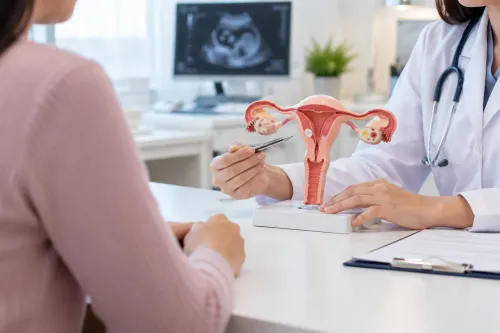
Preparation may include a clinical examination, blood tests, imaging and an anaesthetic review. Patients should tell the surgical team about allergies, previous operations, medical conditions, possible pregnancy and all medicines or supplements being taken.
Some medicines may need to be adjusted, but prescribed treatment should not be stopped without medical advice. Instructions regarding fasting and hospital arrival should be followed carefully.
Before giving consent, patients should ask:
- Is the procedure diagnostic, therapeutic or both?
- What condition will be treated?
- Could another procedure become necessary?
- What findings could require open surgery?
- Will removed tissue be sent for testing?
- How long is recovery expected to take?
What Happens During Laparoscopy?
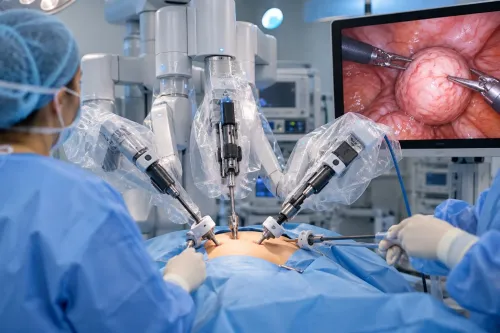
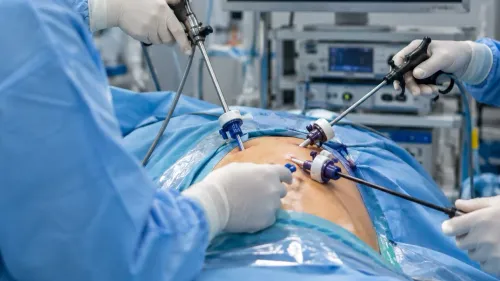
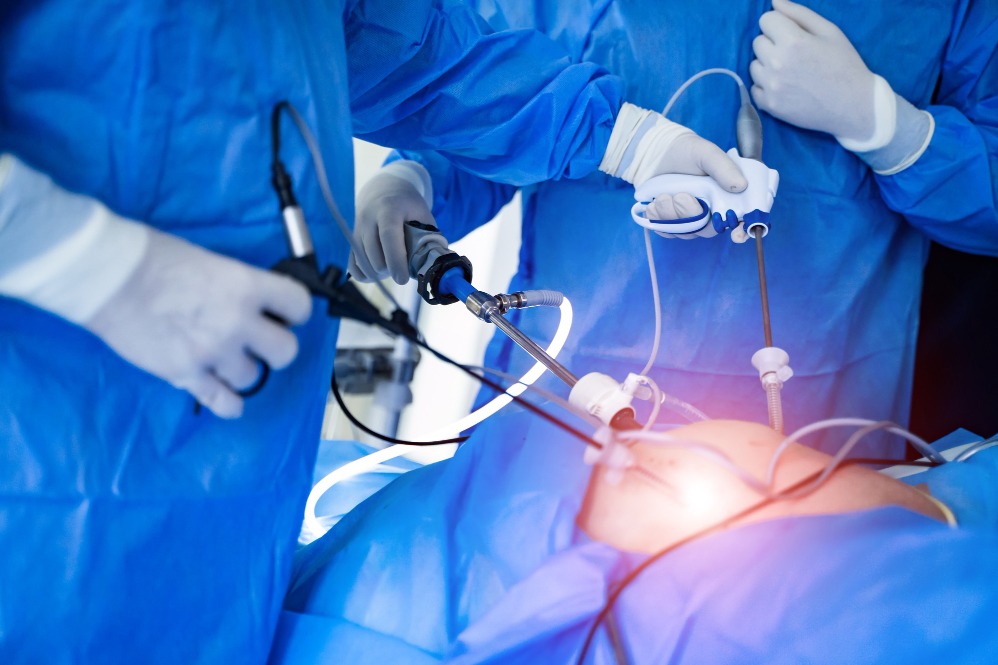
The procedure is usually performed under general anaesthesia. A small incision is commonly made near the navel, and carbon dioxide gas is introduced to create space inside the abdomen. One or more additional small incisions may be used for surgical instruments.
The duration depends on the procedure. A diagnostic examination is different from complex surgery for fibroids, severe endometriosis, adhesions or hysterectomy.
Although the intention may be to complete the procedure laparoscopically, conversion to open surgery can occasionally become necessary for safety.
What Can Patients Expect During Recovery?
Temporary bloating, abdominal discomfort and shoulder-tip pain may occur because of the gas used during surgery. Mild nausea, tiredness, throat discomfort and light vaginal spotting can also occur.
Gentle walking is often encouraged to support circulation. Heavy lifting and strenuous exercise should be avoided until the surgeon confirms that healing is adequate.
Return to work depends on the extent of the internal procedure and the physical demands of the patient’s occupation. Small skin incisions do not necessarily mean that internal healing is complete.
Which Symptoms Require Prompt Medical Attention?
Patients should obtain medical advice for:
- Worsening or severe abdominal pain
- Heavy vaginal bleeding
- High fever
- Persistent vomiting
- Increasing abdominal swelling
- Redness or discharge from an incision
- Difficulty passing urine
- Chest pain or breathlessness
- Pain or swelling in one leg
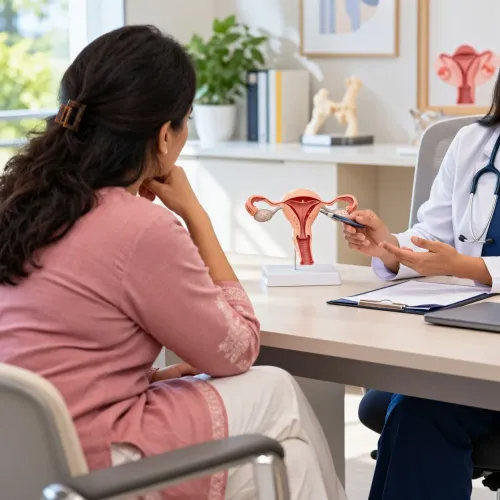
Women considering gynecological laparoscopy in Bangalore can consult Dr Rajani Vaidya to determine whether a minimally invasive procedure is appropriate. The consultation should explain the expected benefits, alternatives, risks and possibility that operative findings could change the original plan.
Laparoscopy can support faster recovery and reduce incision-related discomfort in suitable patients. Its value, however, depends on having a clear medical indication, an appropriately selected procedure and a realistic postoperative plan.
Keywords