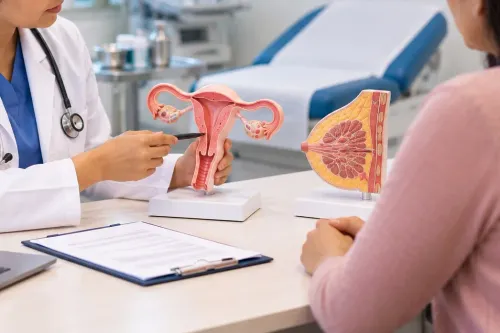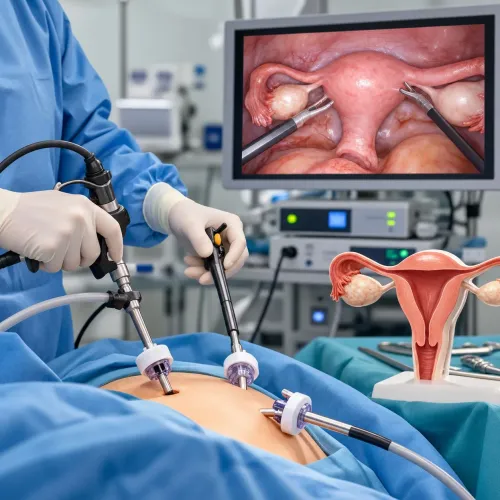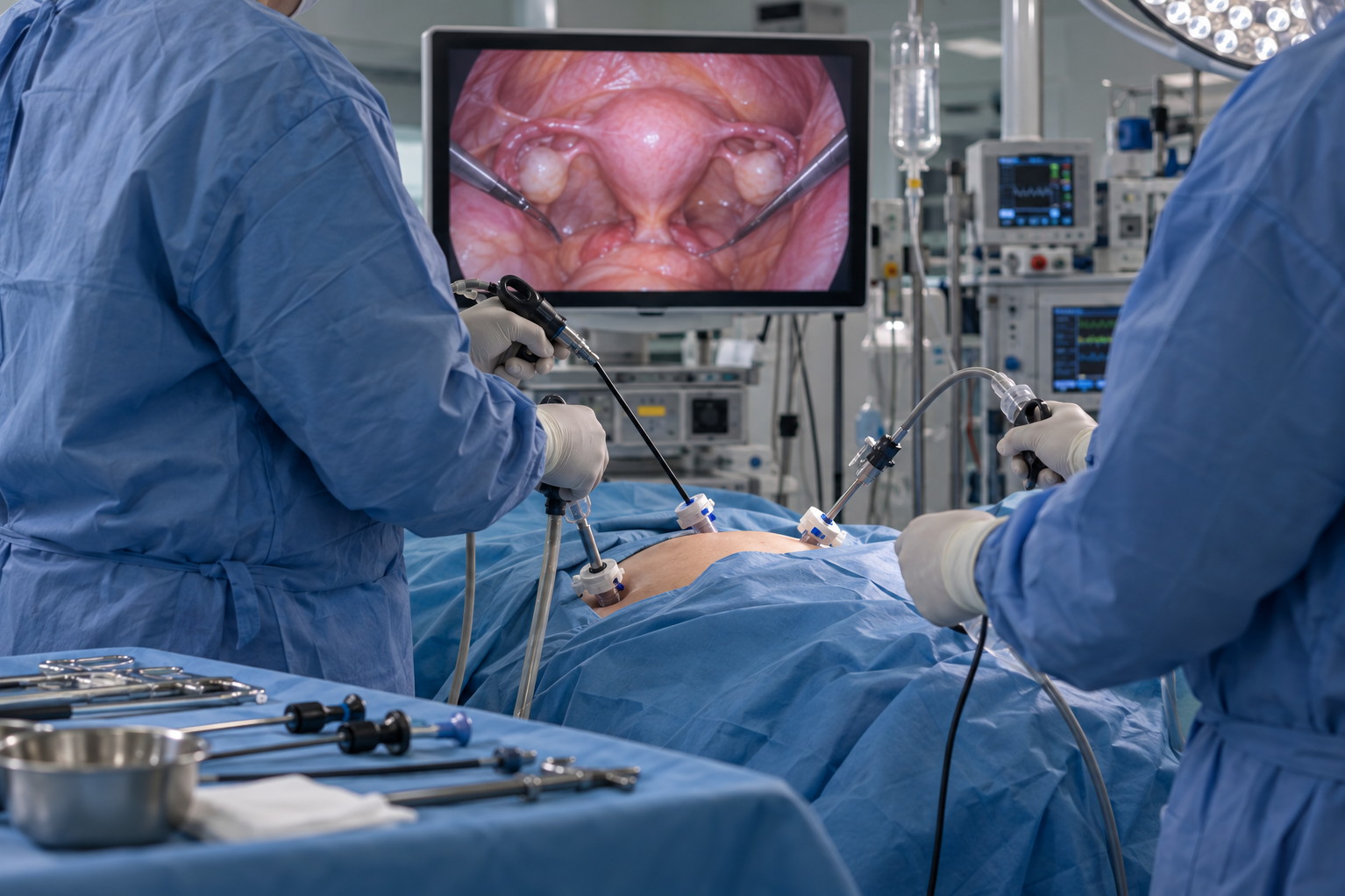
A hysterectomy is a surgical procedure in which the uterus is removed. It may provide lasting relief from certain gynaecological conditions, but it is also an irreversible decision because pregnancy is no longer possible afterward. Before proceeding with hysterectomy surgery, a woman should understand why it is recommended, which alternatives remain available and what the operation may involve.
Why May a Hysterectomy Be Recommended?
A gynaecologist may consider hysterectomy for conditions such as:
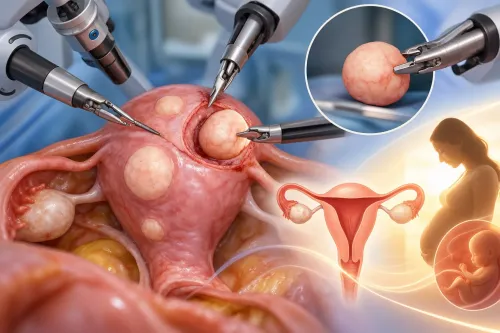
- Fibroids causing severe bleeding or pressure
- Adenomyosis that has not responded to conservative care
- Persistent abnormal uterine bleeding
- Uterine prolapse
- Certain gynaecological cancers
- Chronic symptoms that have not improved with appropriate treatment
The procedure should have a clear medical purpose. Women should ask which symptoms the surgery is expected to improve and whether the diagnosis has been established through appropriate examination, imaging or tissue testing.
Have Other Treatment Options Been Considered?
Hysterectomy is not automatically the first treatment for every uterine condition. Depending on the diagnosis, alternatives may include:
- Medication for bleeding or pain
- Hormonal treatment
- Hysteroscopic treatment
- Myomectomy for selected fibroids
- Uterine-sparing prolapse procedures
- Continued monitoring when symptoms are mild
These options may not be suitable or effective for every woman. The important point is that reasonable alternatives should be discussed before an irreversible operation is selected.
Does Hysterectomy Include Removal of the Ovaries?
The uterus, cervix, fallopian tubes and ovaries are separate structures. Removing the uterus does not automatically mean that the ovaries must also be removed.
Healthy ovaries may continue producing hormones until natural menopause. Removing them before menopause can result in immediate surgical menopause. When ovary removal is proposed, the reason, possible benefits and long-term effects should be explained separately.
The surgeon should also clarify whether the cervix and fallopian tubes will be removed.
Which Surgical Approach May Be Used?
Hysterectomy can be performed through different routes:
- Vaginal hysterectomy
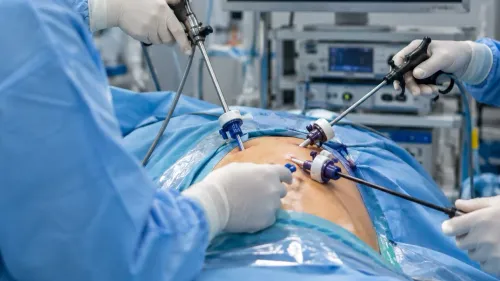
- Laparoscopic hysterectomy
- Open abdominal hysterectomy
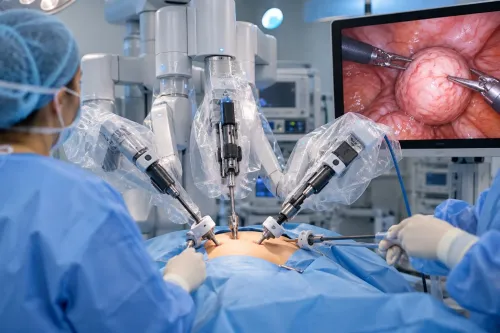
- Robotic-assisted hysterectomy in selected settings
The appropriate method depends on uterine size, the underlying condition, previous abdominal operations, endometriosis, adhesions, prolapse and the need for additional procedures.
A minimally invasive approach may offer smaller incisions and a shorter recovery for suitable patients. However, the safest approach should be selected according to the individual condition rather than cosmetic preferences alone.
Readiness Questions Before Surgery
Women considering hysterectomy surgery should understand:
- The exact diagnosis and reason for surgery
- Which organs will be removed
- Whether uterus-preserving alternatives remain reasonable
- Which surgical route is planned
- The potential risks and complications
- The expected hospital stay
- The realistic recovery period
- Restrictions on lifting, driving and intercourse
- The effect on periods, fertility and hormonal function
- Which symptoms require urgent care after discharge
Preoperative preparation may include blood tests, imaging, anaesthetic assessment and treatment of anaemia. Conditions such as diabetes, hypertension or thyroid disease should be appropriately managed before elective surgery.
Women considering hysterectomy surgery in Bangalore can consult Dr Rajani Vaidya for a detailed gynaecological and surgical assessment. Her experience as a gynaecologist and laparoscopic gynec surgeon can help determine whether a minimally invasive approach is suitable.
Hysterectomy may significantly improve quality of life when the indication is appropriate and conservative treatments have not provided sufficient relief. A woman is ready to proceed when she clearly understands why surgery is recommended, what alternatives exist and what recovery will require.
Keywords