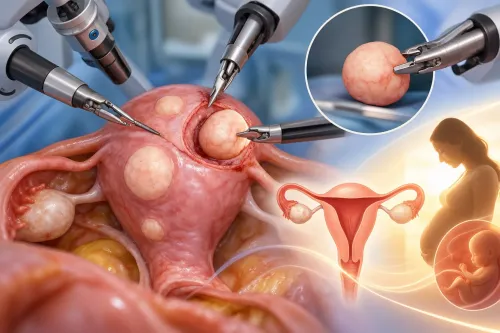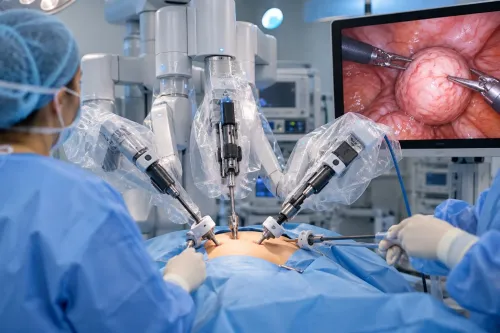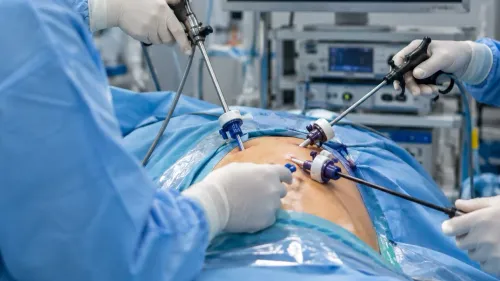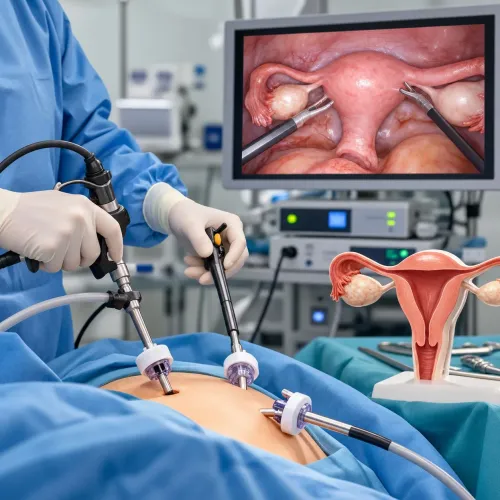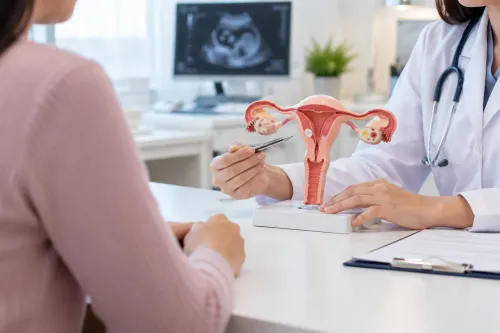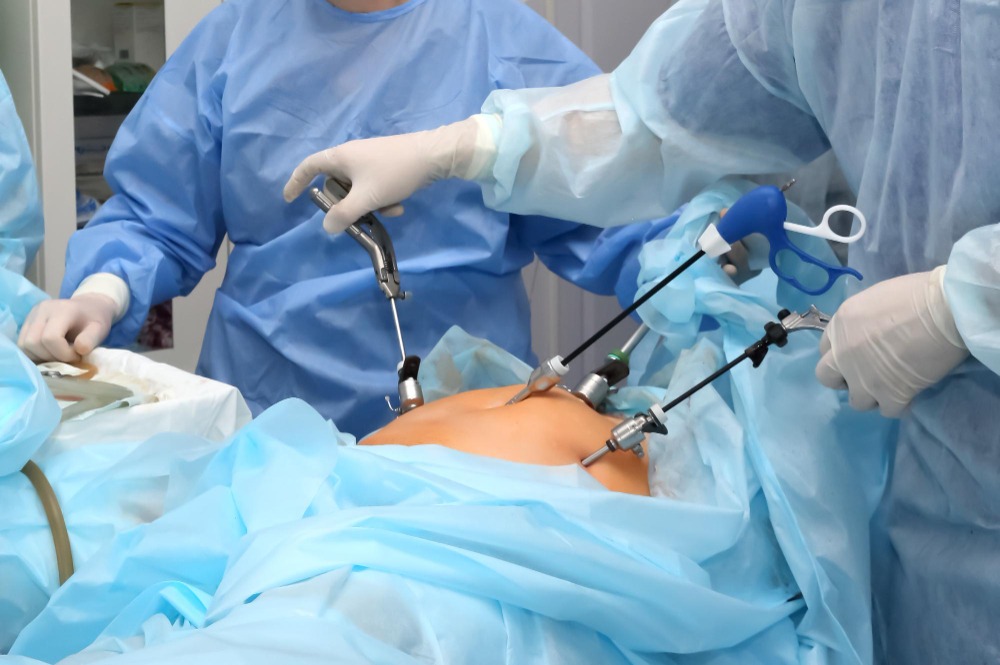
Laparoscopic gynecology surgery uses a camera and specialised instruments introduced through small abdominal incisions. It can be used to treat several conditions affecting the uterus, ovaries, fallopian tubes and pelvis.
Smaller incisions can offer meaningful benefits, but patients should not select surgery based only on promises of minimal scarring or a rapid return home. The diagnosis, procedure, surgeon’s experience and hospital support are equally important.
What Are the Potential Benefits?
Compared with traditional open abdominal surgery, a laparoscopic approach may offer:
- Smaller abdominal incisions
- Less incision-related discomfort
- Earlier mobility
- Shorter hospitalisation in suitable cases
- Reduced risk of some wound-related problems
- Less visible scarring
- Faster return to certain daily activities
These are potential advantages rather than guaranteed outcomes. Recovery depends on the complexity of the operation, the patient’s health and whether complications occur.
Which Procedures May Be Performed Laparoscopically?
Laparoscopic techniques may be used for:
- Ovarian cyst removal
- Endometriosis surgery
- Myomectomy
- Hysterectomy
- Ectopic pregnancy treatment
- Removal of pelvic adhesions
- Selected tubal procedures
- Certain pelvic-floor operations
Not every patient is suitable for the same approach. Very large masses, suspected cancer, extensive adhesions or particular medical conditions may make open surgery safer.
What Should You Ask the Surgeon?
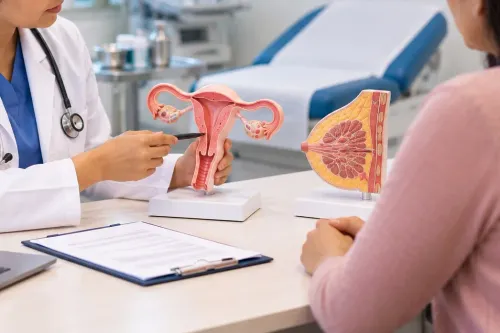
Women evaluating laparoscopic gynecology surgery in Bangalore can ask:
- Why is surgery necessary?
- Are medication or monitoring still reasonable?
- Is laparoscopy suitable for my condition?
- How frequently do you perform this specific operation?
- What factors could require open surgery?
- How will healthy uterine or ovarian tissue be protected?
- Which complications are most relevant in my case?
- What hospital support is available?
- How long will recovery realistically take?
- How will follow-up be arranged?
Experience with one laparoscopic procedure does not automatically indicate the same level of experience with every other operation. Removing a simple ovarian cyst differs considerably from performing a complex myomectomy or surgery for deep endometriosis.
Why Does Hospital Readiness Matter?
Safe surgery depends on more than the operating surgeon. The hospital should have:
- Appropriate laparoscopic equipment
- A trained anaesthesia team
- Experienced operating-room personnel
- Sterilisation and infection-control systems
- Laboratory and imaging support
- Blood-bank access when clinically required
- Emergency and postoperative care arrangements
Patients should also know whom to contact if symptoms develop after discharge.
Is Conversion to Open Surgery a Failure?
No. Conversion may be the safest response to unexpected bleeding, difficult anatomy, extensive adhesions or findings that cannot be managed securely through small incisions.
The possibility should be discussed before surgery, along with what it could mean for the incision, hospital stay and recovery.
Women can consult Dr Rajani Vaidya, a gynaecologist and laparoscopic gynec surgeon in Bangalore, for an assessment of whether minimally invasive treatment is appropriate for their condition. Surgical planning should be based on symptoms, examination, imaging and the woman’s overall health and reproductive goals.
The strongest sign of responsible surgical care is not a promise of painless treatment or instant recovery. It is a transparent explanation of why surgery is recommended, which approach is appropriate, how risks will be managed and what will happen if the operative findings differ from expectations.
Keywords