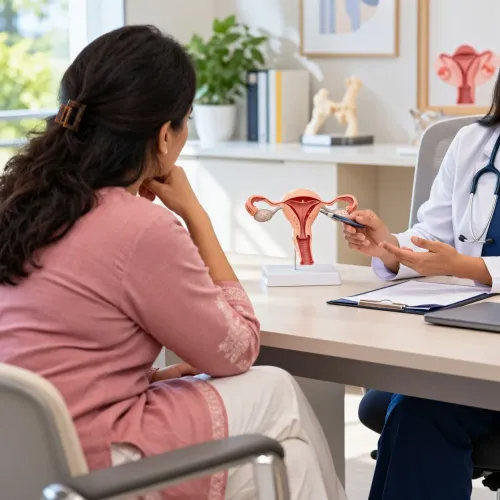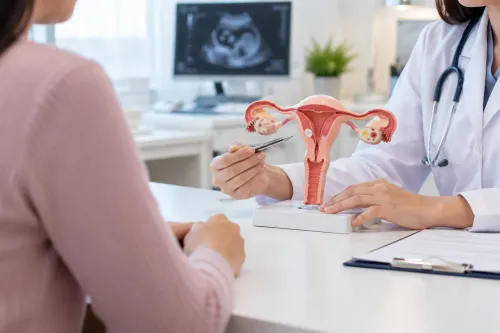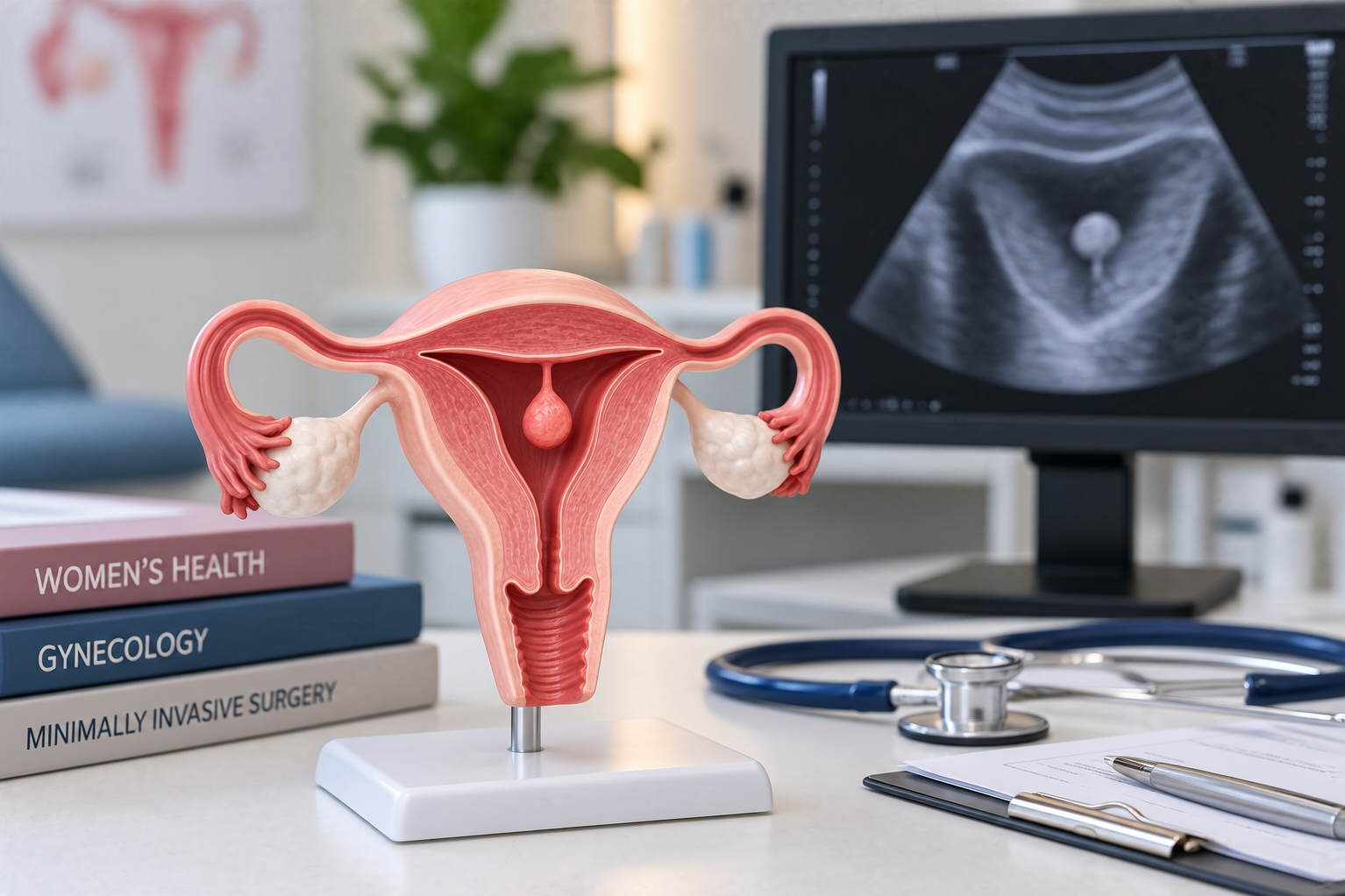
Uterine polyps are growths that develop from the inner lining of the uterus. Most are benign, but they can cause abnormal bleeding and may influence fertility in some women. Uterine polyp treatment depends on symptoms, age, imaging findings, pregnancy plans and the individual risk of abnormal cellular changes.
What Symptoms Can Uterine Polyps Cause?
Some polyps are discovered incidentally during an ultrasound and cause no symptoms. Others may contribute to:
- Bleeding between periods
- Heavy menstrual bleeding
- Irregular menstrual cycles
- Bleeding after intercourse
- Bleeding after menopause
- Difficulty conceiving
- Bleeding or spotting during fertility treatment
These symptoms can also be caused by fibroids, hormonal changes, pregnancy-related conditions or disorders affecting the endometrium. A proper assessment is therefore necessary before deciding that a polyp is responsible.
Bleeding after menopause should always be medically evaluated. Although most uterine polyps are non-cancerous, age and individual risk factors may influence whether tissue assessment is recommended.
How Is a Uterine Polyp Diagnosed?
A transvaginal ultrasound may suggest the presence of a polyp. The clarity of the scan can be influenced by the timing within the menstrual cycle.
Saline infusion sonography may provide a more detailed view. During this investigation, a small amount of fluid is introduced into the uterus to separate the cavity walls and improve visualisation.
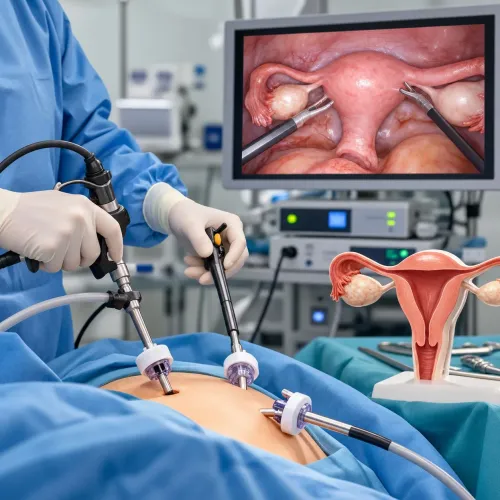
Hysteroscopy allows the gynaecologist to examine the uterine cavity directly using a slender camera passed through the cervix. When appropriate, a polyp can be removed during the same procedure.
The final diagnosis is generally confirmed by sending the removed tissue to a pathology laboratory.
Can a Uterine Polyp Be Monitored?
A small polyp that is not causing symptoms may sometimes be monitored in a premenopausal woman without significant risk factors. Some small polyps may reduce or disappear without intervention.
Monitoring should be based on medical guidance rather than indefinite delay. Further assessment may be required if bleeding begins, existing symptoms worsen or the finding changes during follow-up.
When May Removal Be Recommended?
Hysteroscopic polyp removal may be considered when:
- Abnormal bleeding persists
- Bleeding occurs after menopause
- The polyp has concerning features
- The polyp may be affecting fertility
- Tissue diagnosis is considered necessary
- Symptoms interfere with daily life
Hysteroscopy provides direct visual guidance, allowing targeted removal. This can be more accurate for a focal growth than a procedure performed without direct visualisation.
What Should Patients Ask Before Treatment?
Women considering uterine polyp treatment in Bangalore can ask:
- How certain is the diagnosis?
- Could something else be causing the bleeding?
- Is monitoring safe in my situation?
- Why is hysteroscopy being recommended?
- Will the removed tissue be tested?
- Will anaesthesia be required?
- What discomfort or bleeding may occur afterward?
- When can normal activities be resumed?
- Could the polyp affect my pregnancy plans?
Women can consult Dr Rajani Vaidya for an evaluation of abnormal uterine bleeding and suspected uterine-cavity conditions. The treatment recommendation can be based on the woman’s symptoms, age, test results and reproductive priorities.
Mild spotting or cramping may occur after hysteroscopic treatment. Increasing pain, fever, heavy bleeding or unpleasant vaginal discharge should be reported promptly.
A polyp identified on an ultrasound is not automatically a cause for alarm or immediate surgery. The important questions are whether it explains the symptoms, whether tissue assessment is advisable and whether removal can provide a meaningful health or reproductive benefit.
Keywords